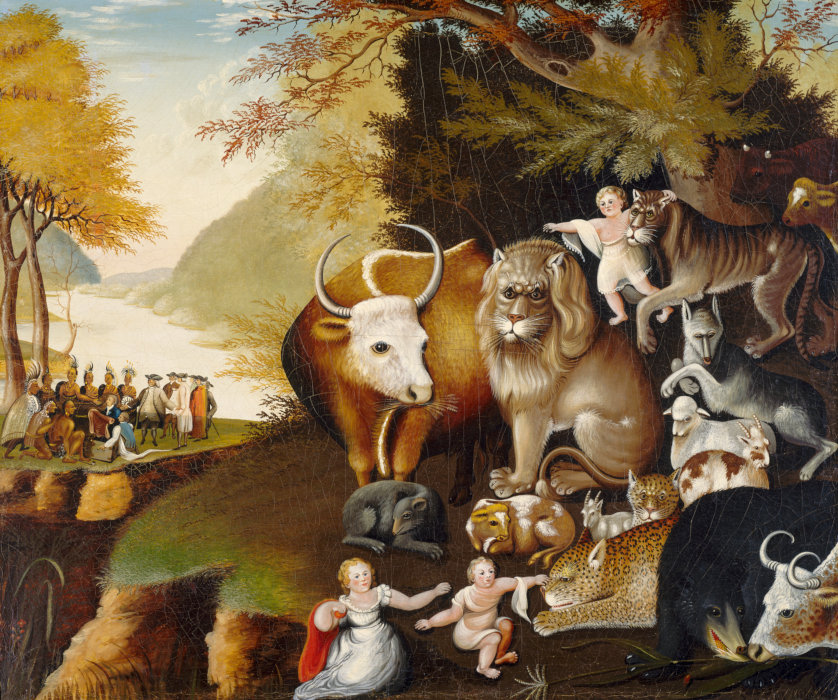
At Nick&Elise's Wedding ....
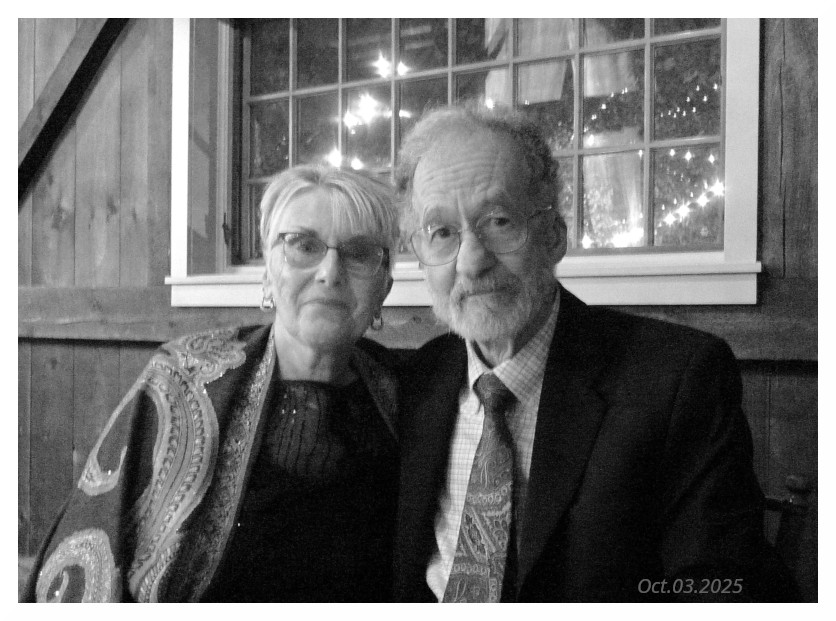
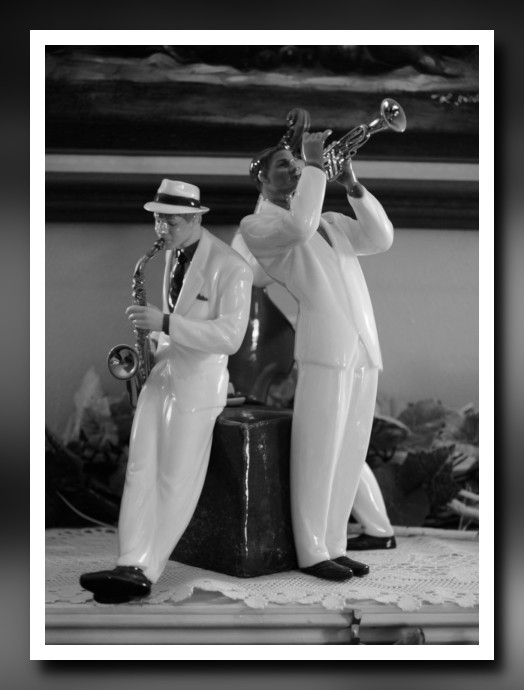
Meanwhile . . . at the other end of the room ....
Dave's Journal, Oct2025
At Nick&Elise's Wedding ....
Meanwhile . . . at the other end of the room ....
Yikes, Grandson Jack as started at a new school this semester, and is now in the National Honor Society !!
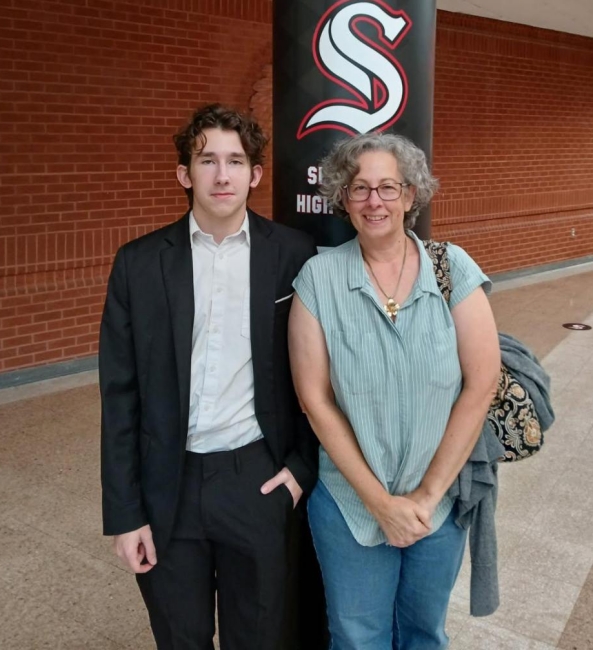
(good lookin' dude too !!!)
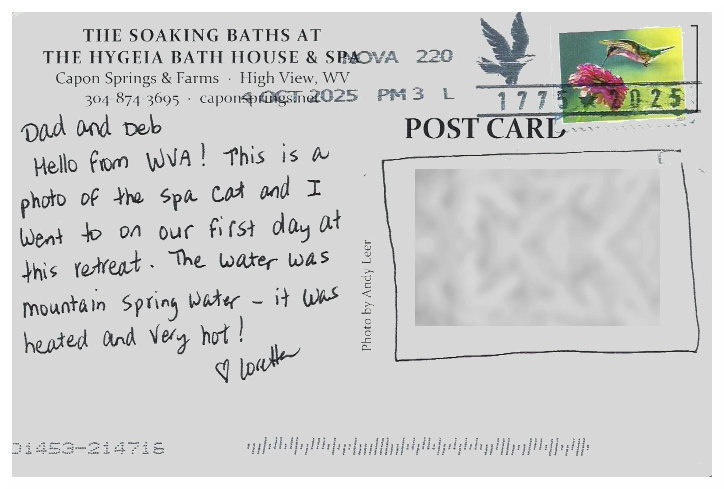
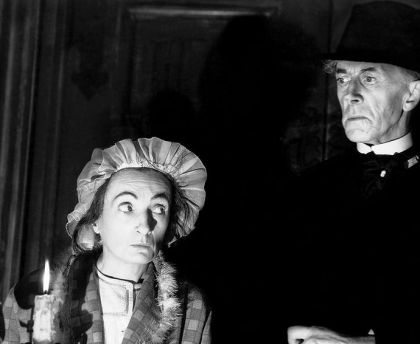
Delightful character actress who held her own against such acting heavyweights as Charles Laughton, Boris Karloff, Tyrone Power, Barbara Stanwyck, and Sydney Greenstreet. Often cast by studio heads as comic relief thanks to her thick Irish accent and rubber-faced expressions, most notably in Universal's horror classics, Bride of Frankenstein (1935) and The Invisible Man (1933). Her final role was as the devoted housekeeper in Billy Wilder's Witness for the Prosecution (1957), a role she originated on stage. Her hilarious testimony during the trial is one of the film's highlights
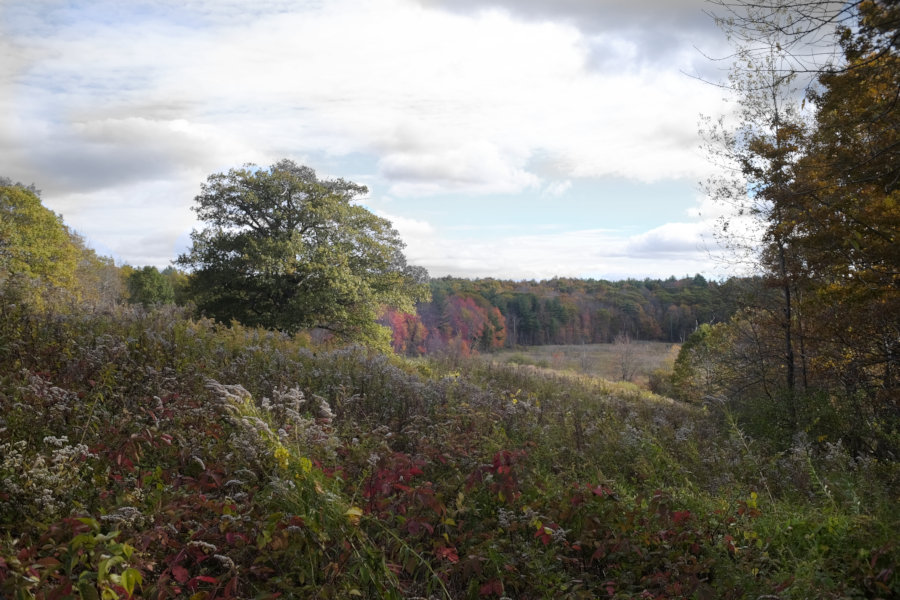
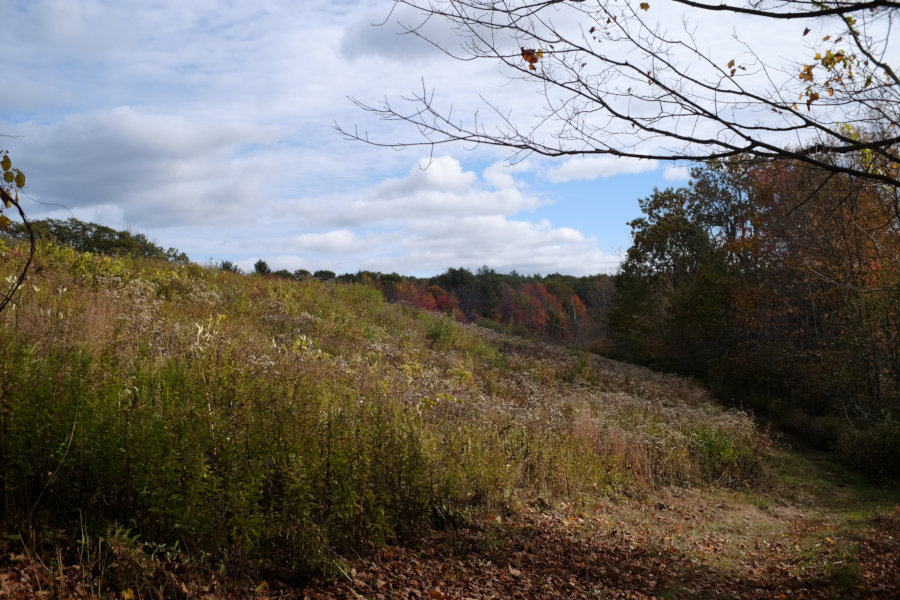
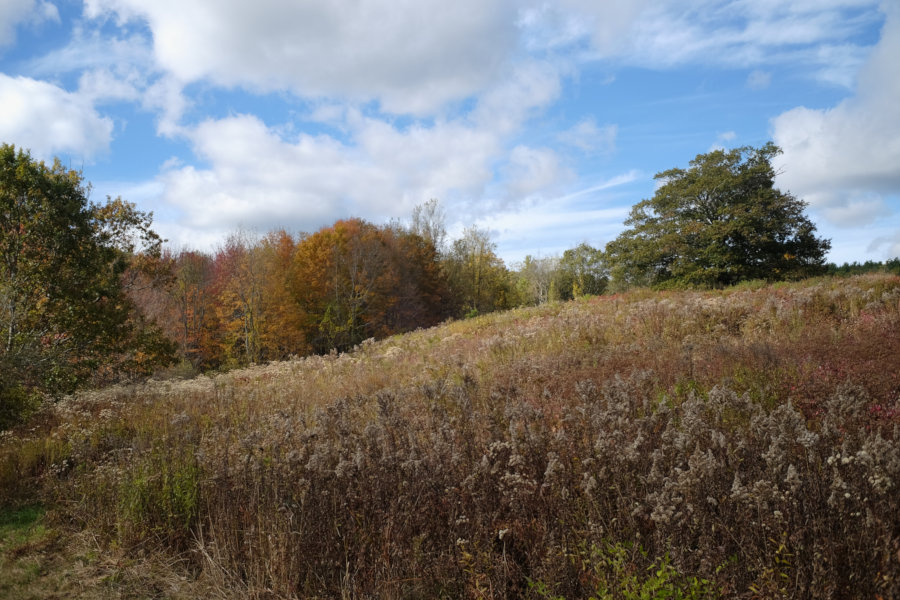
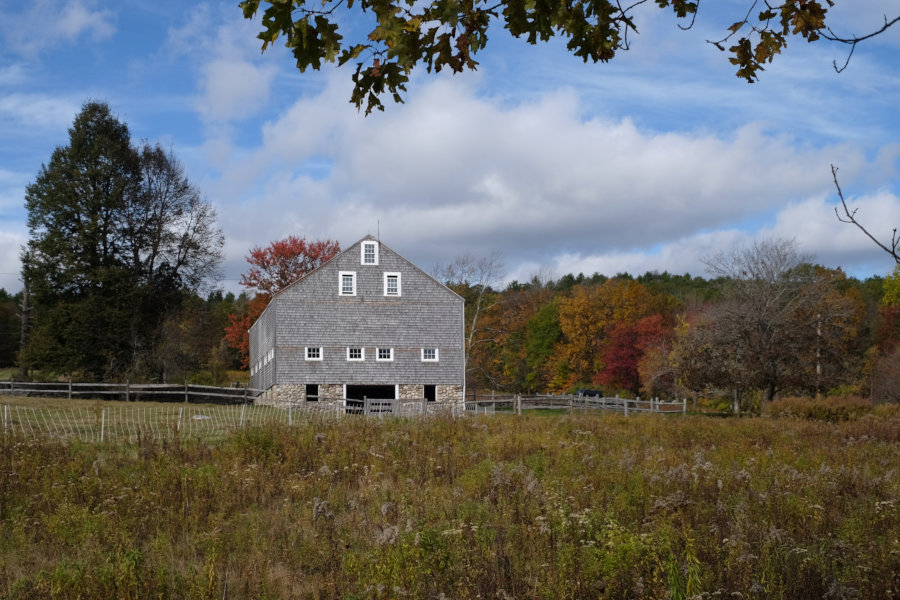
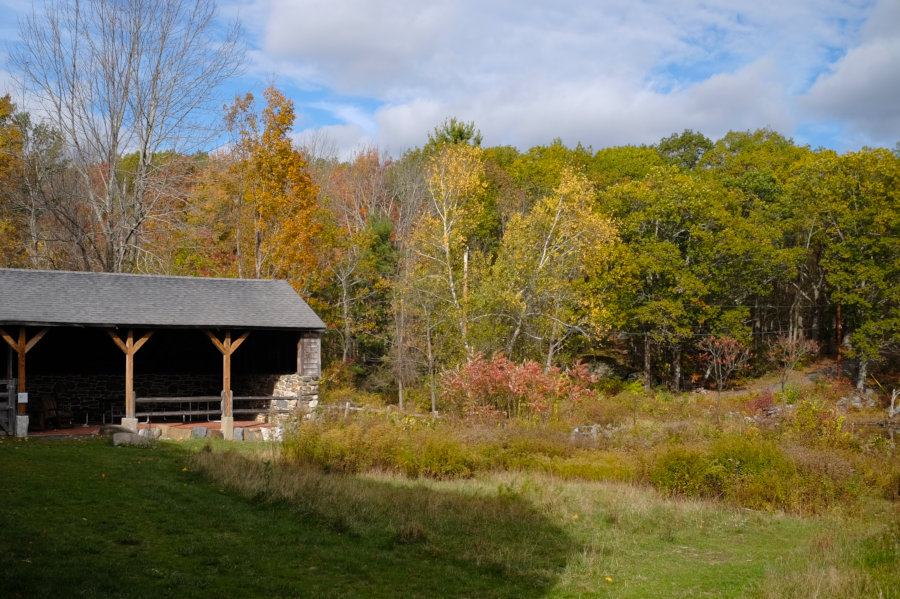
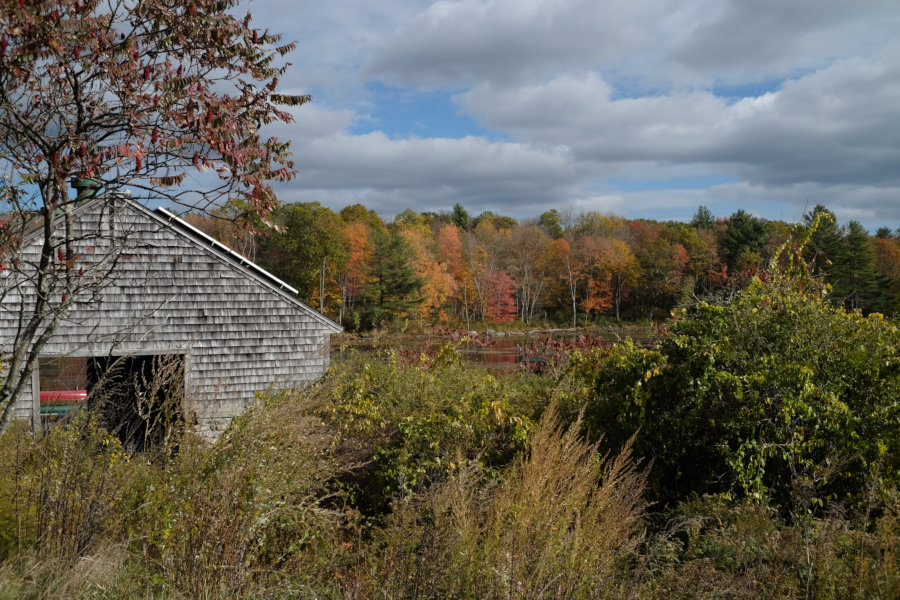
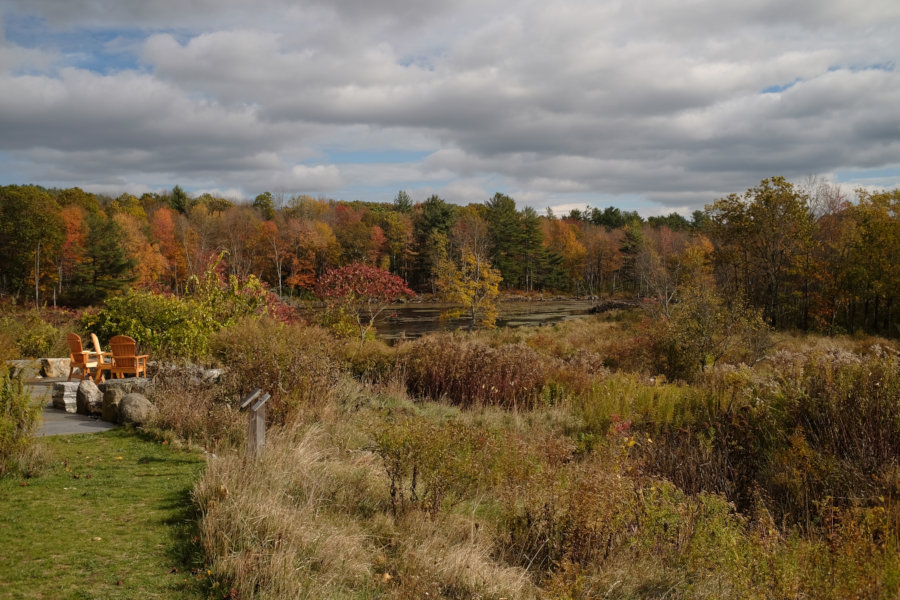
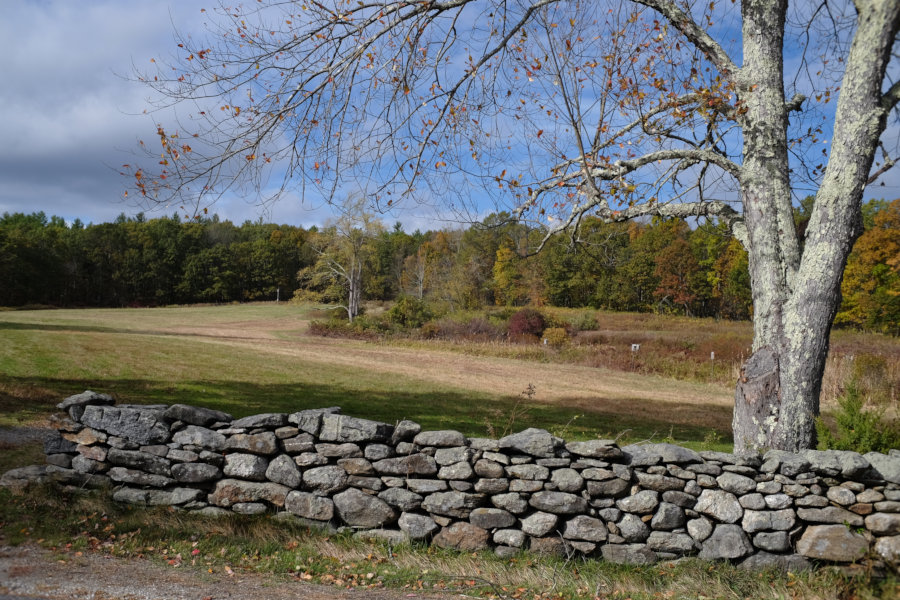
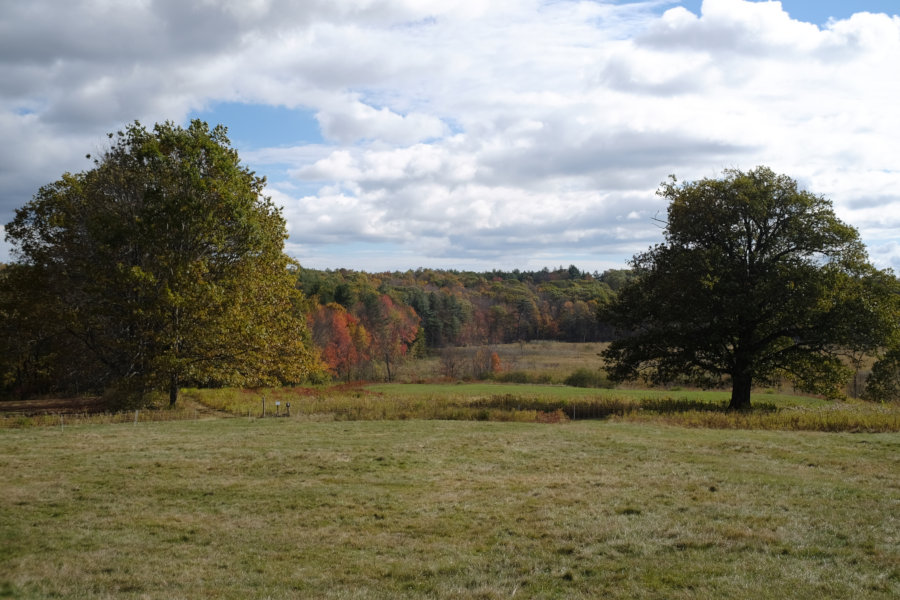
Oct.15 - At last, I made it out to the wildlife santuary for a short walk. It's been months !! The autumn colors were not New England spectacular but very pleasant and I was glad to be out there today.
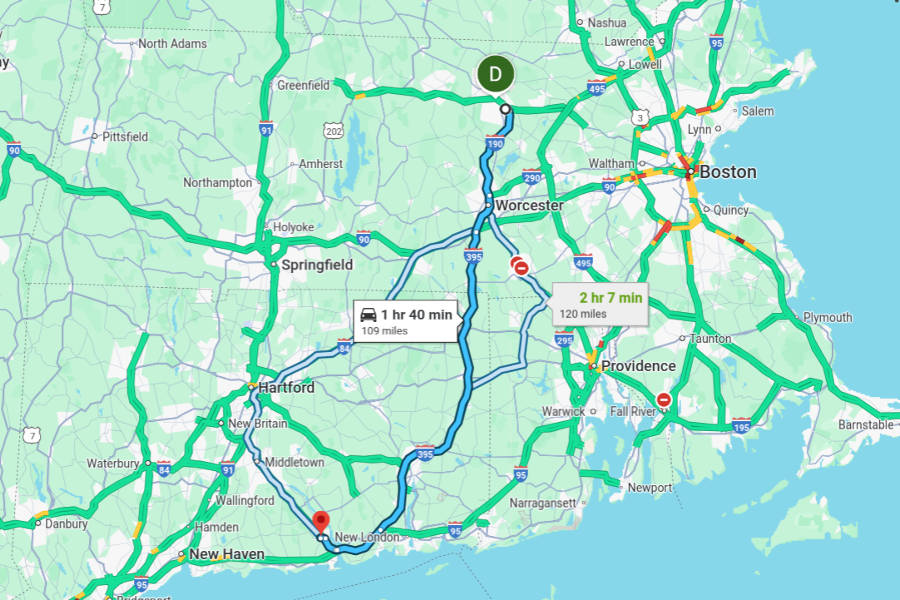
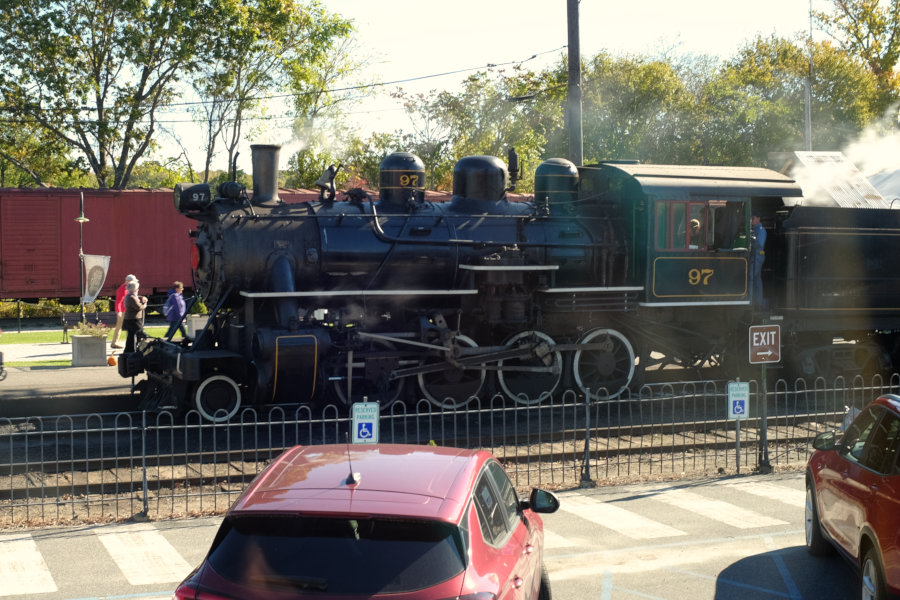
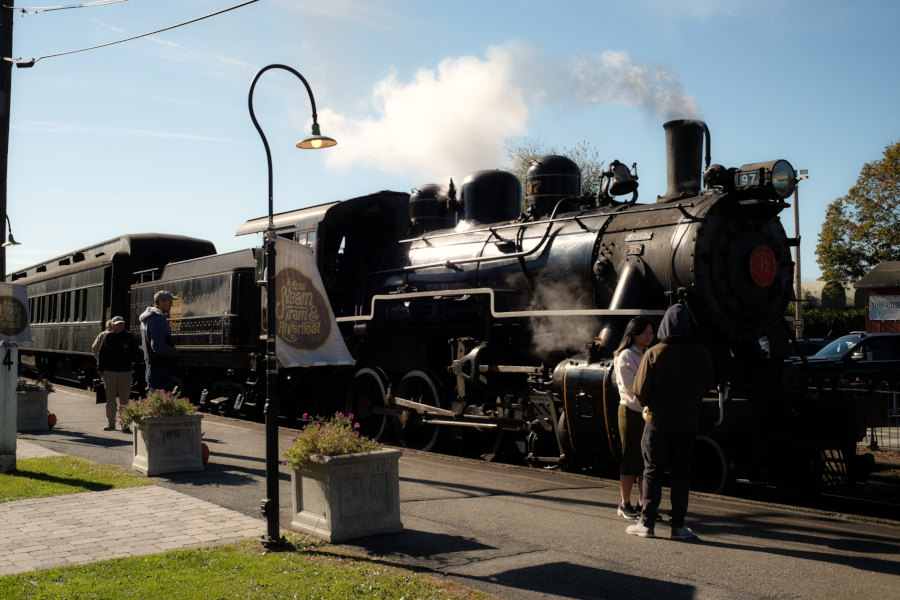
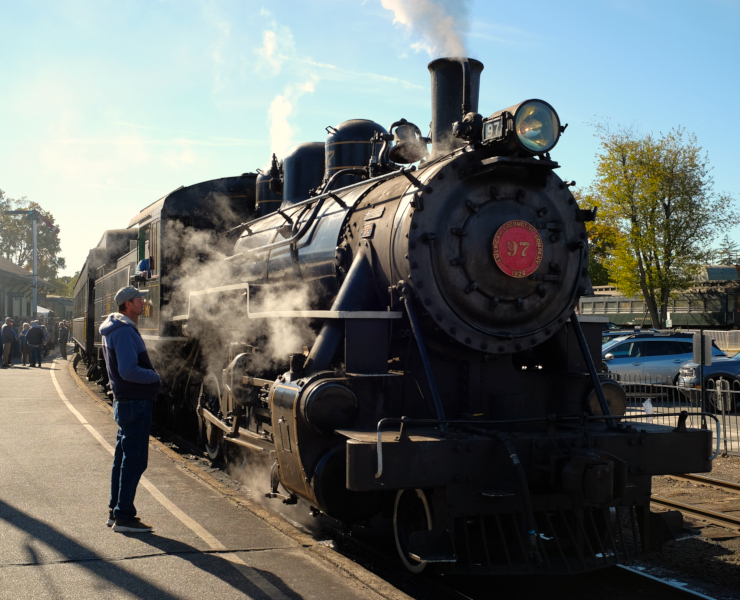
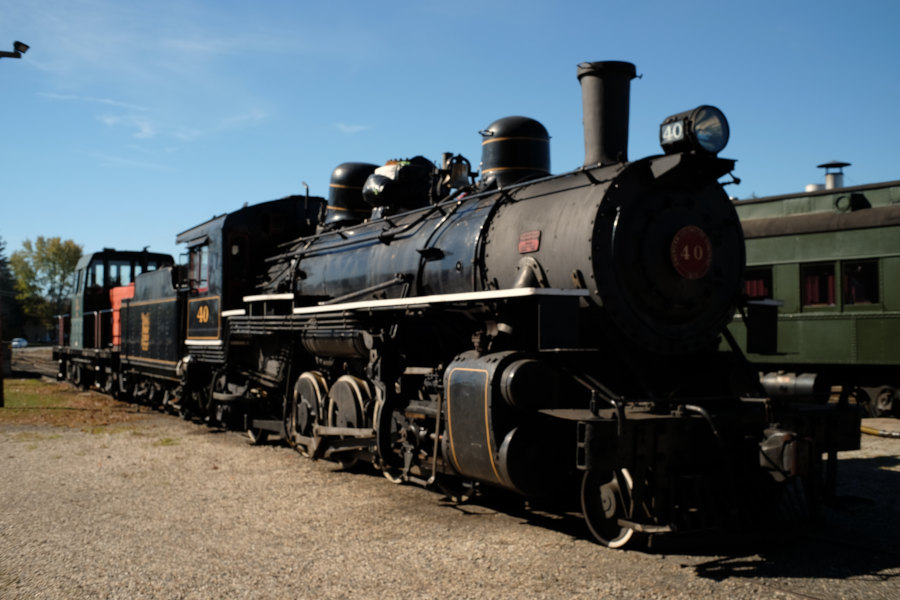
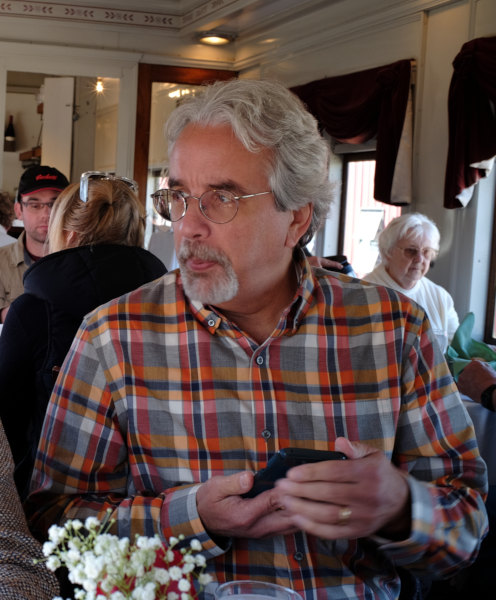
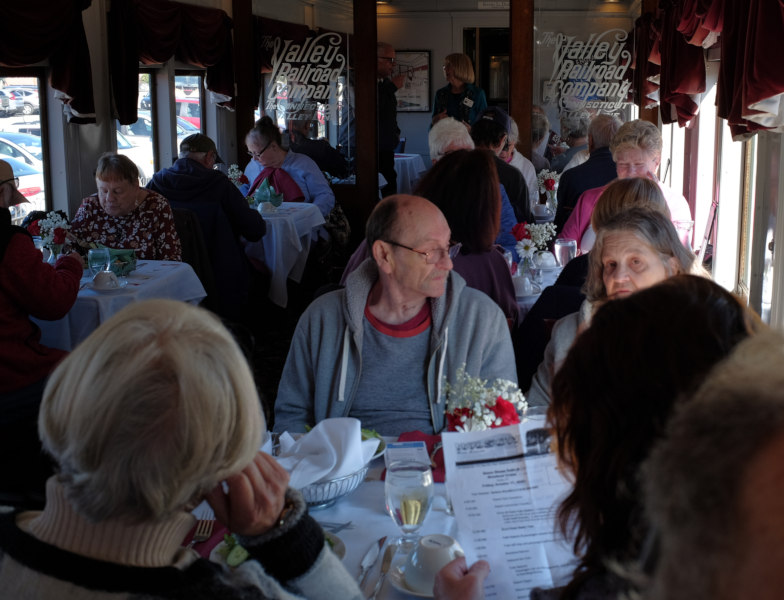
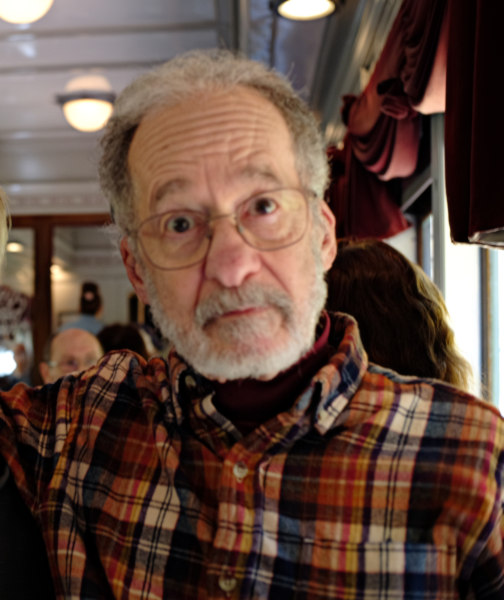
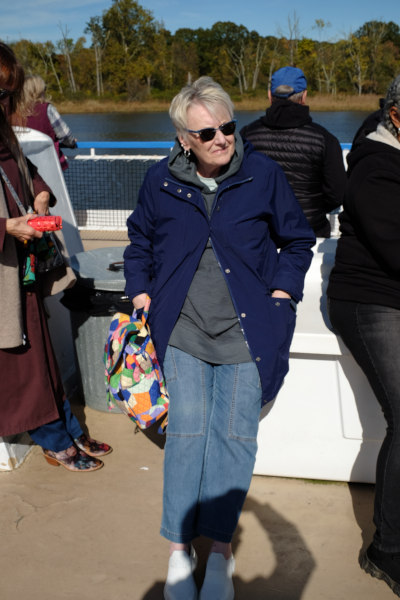
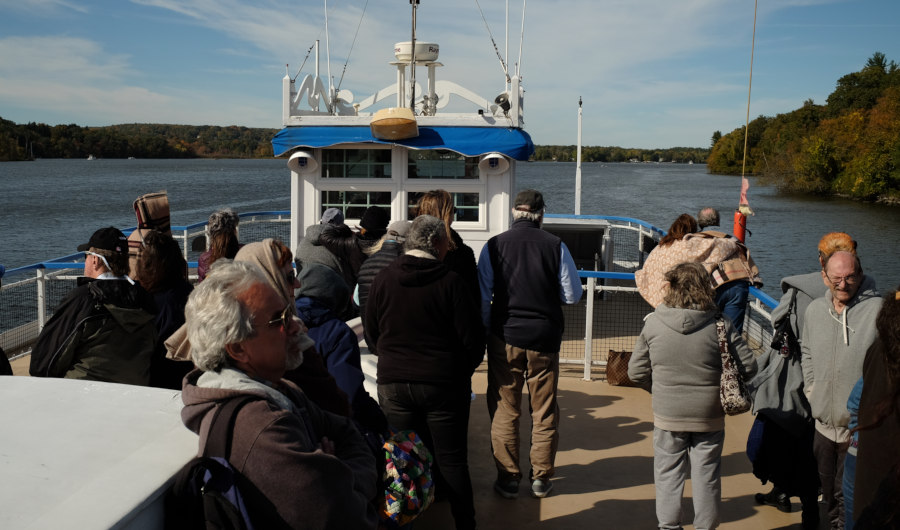
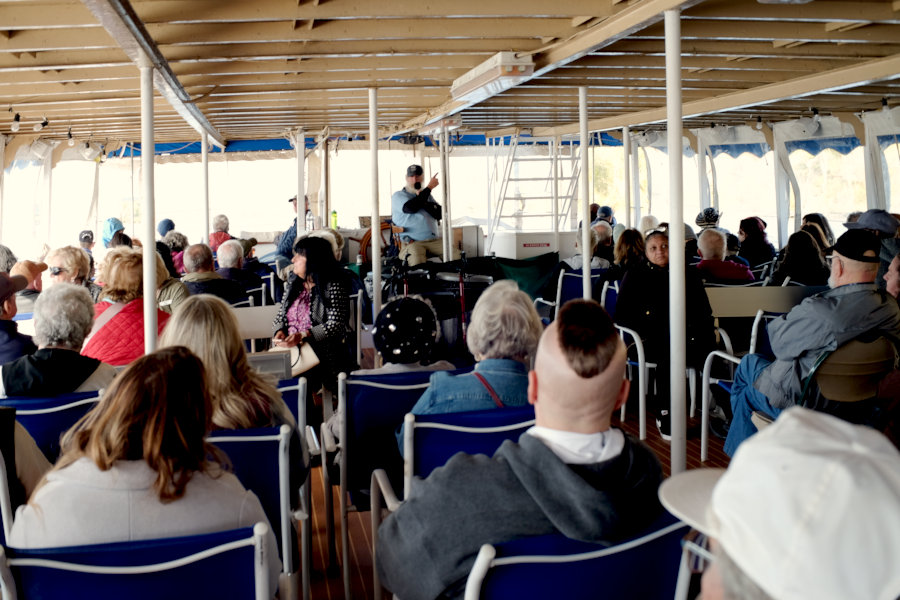
This was a pleasant day trip . . . bus from here to Connecticut shore, dining train pulled by a steam engine, ferry up and down a slow moving river. Snoozed most of the bus ride, as we had to get up very early. The steam train was very pleasant and the food was good. Nice experience. The boat ride was a nice idea but it was cold and very windy and actually the scenery was tedious.... in fact there was no "scenery". The captain's stories were kind of interesting. The four of us get along very well - Jim and I think alike and Audree and Deb share lots of interests, so that always goes well.
Left here at 8:30AM, returned at 5:30 PM .... not a bad day, just wish it was warmer, more "Summery" - but hey it's October !!
 Yesterday, I wandered into this excellent database of vintage Konica lenses:
Konica Lens Archive
(Konica, Pentax and Minolta have always been my favorite lens brands, and I must have 12 various old lenses from these companies.)
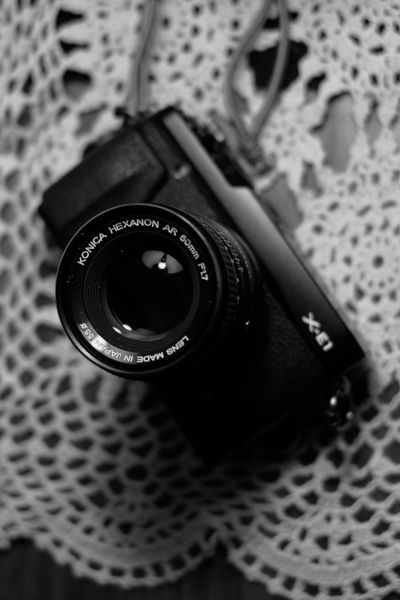
Here's what he says about the (1970s?) Hexanon 50mm/f1.7 :
With the new standard lens, Konica had a great success. It is much sharper than its already good predecessor - later, some magazines would praise it as one of the sharpest lenses ever built by anyone. Even today, more than ___ years after its introduction, there are not many better lenses to buy on the market.
But not only in sharpness the image quality is first class. Contrast and evenness of illumination are just as convincing as the neutral colour rendition - all in all, the Hexanon AR 50 mm / F1.7 is absolutely a premium, first class lens.
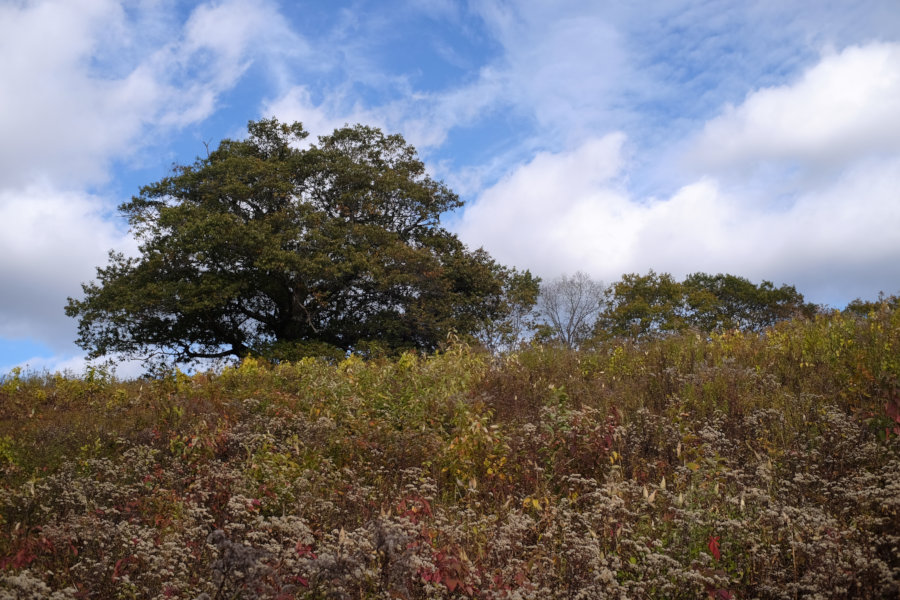

So I attached mine to a Fuji XE1 ("vintage") digital camera and shot these:
This treetop is about 200ft from where I was standing. The moving birds were some distance behind that - I actually did not see the birds when I hit the button.
I bought this beautiful lens about 10 years ago for something around $50 !!
Dropped Deb off to lunch with her school friend Di, and went to the art museum. It's been a few years since I visited. Library pass got me in at 50% rate. Lots of renovations - it's nicer than it used to be.
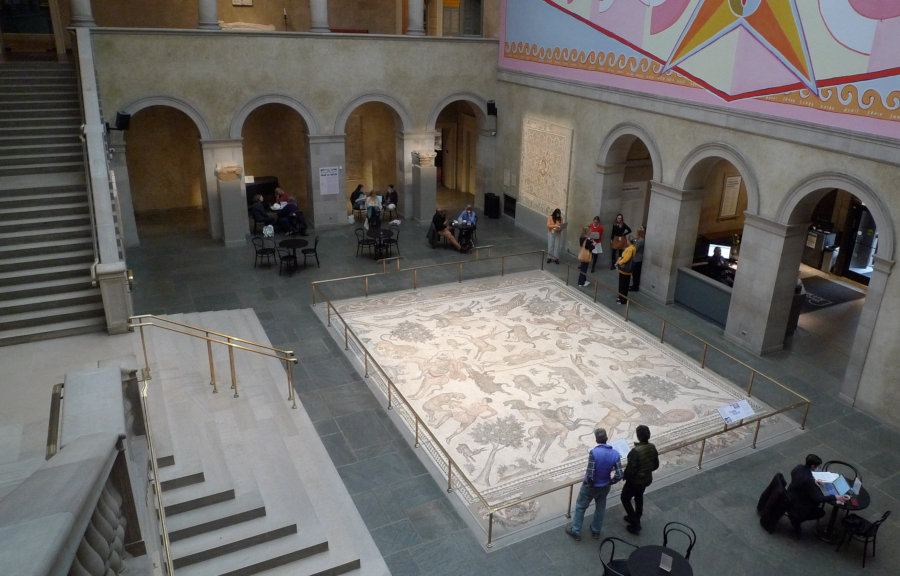
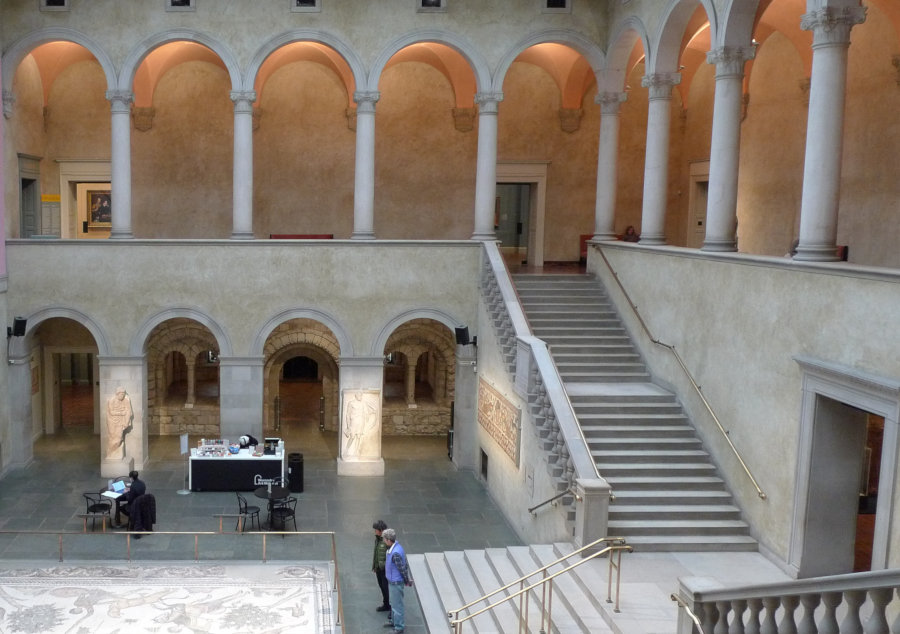
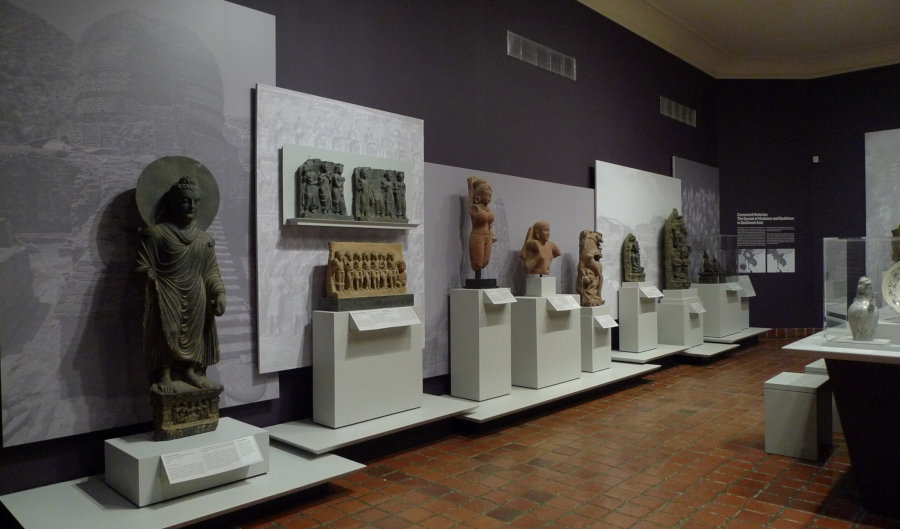
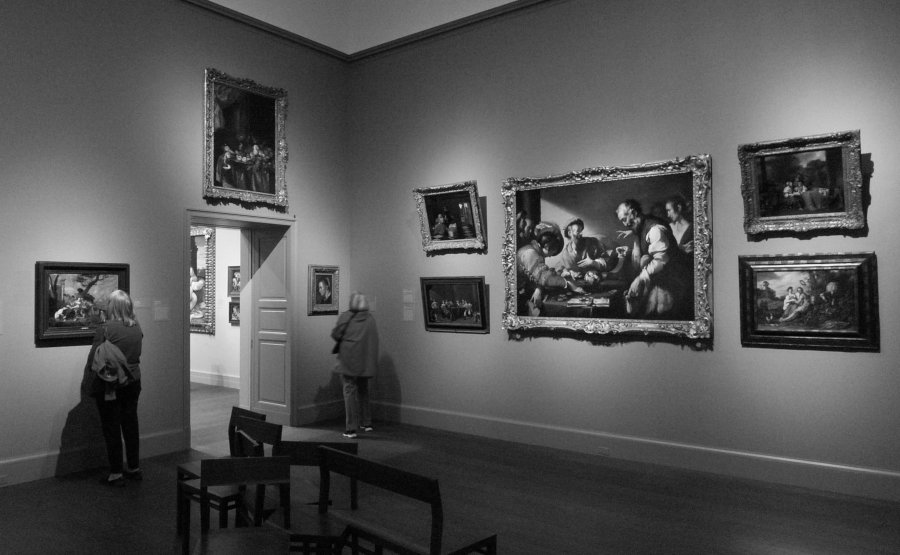
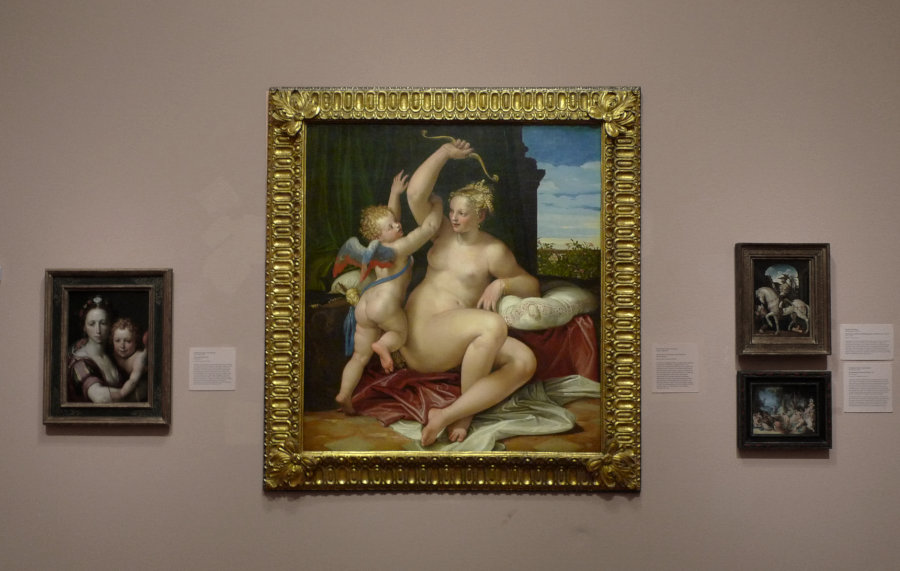
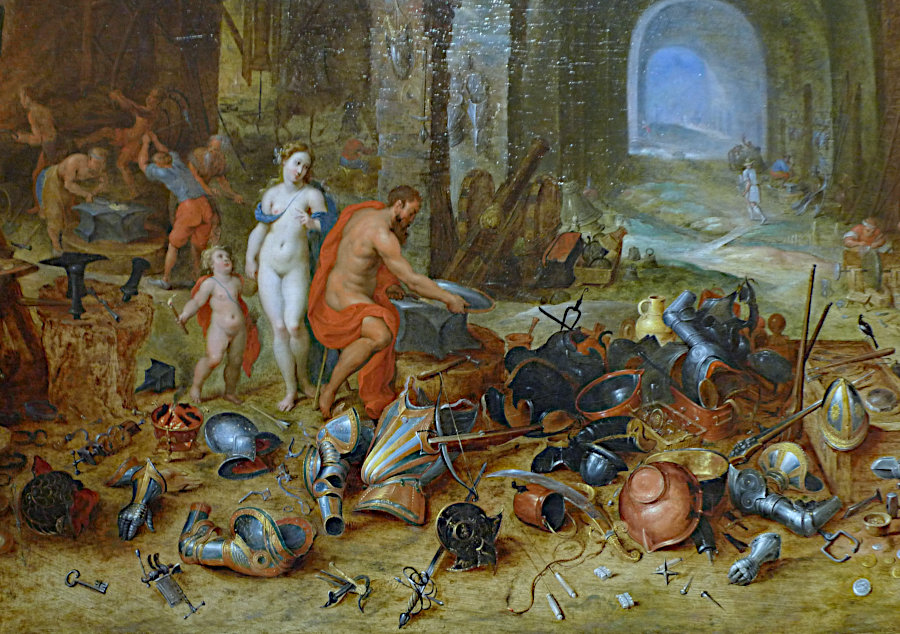
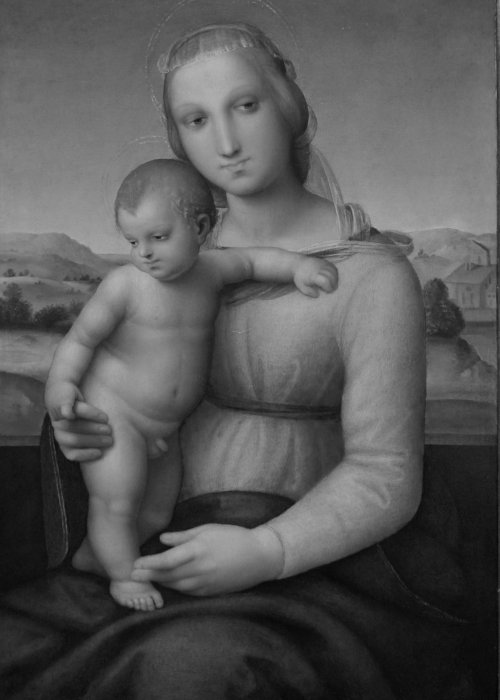
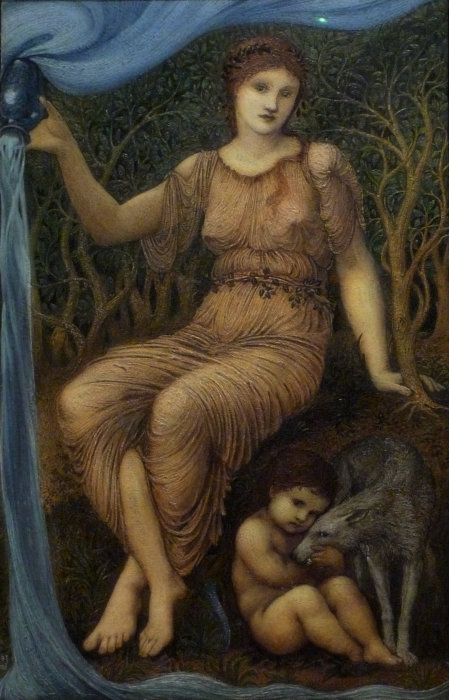
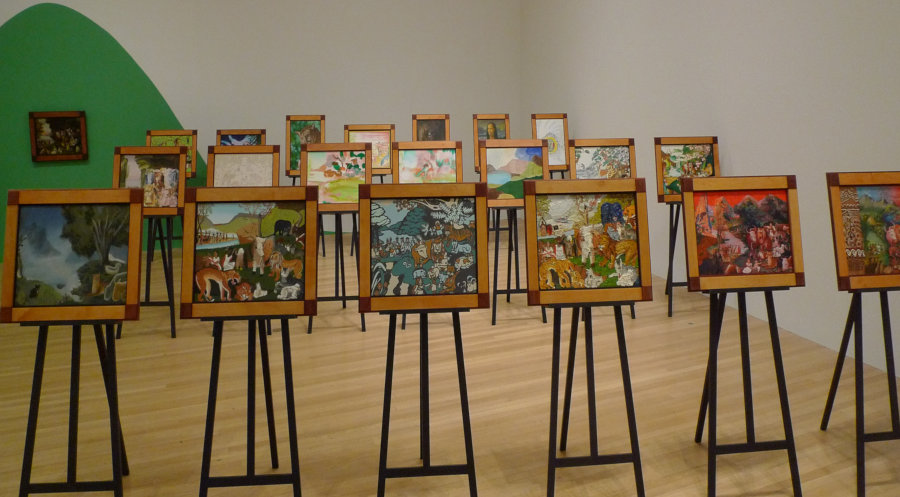
One special exhibit stood out. A room filled with current world-wide re-interpretations of Edward Hick's famous painting: "A Peacable Kingdom". Artists from around the world did their own interpretations of this same idea. It was amazing, but kind of overwhelming to be in one room with so many exceptional paintings of the same topic. I asked if there is a book that covers all of these and they said there isn't.
This is just a partial view of the room......
So I just now went onto Youtube and found this video by the artist who started this project:
Peacable Kingdom Video.
FYI, from Wikipedia ......
Edward Hicks painted 62 versions of the Peaceable Kingdom. It exemplifies Quaker ideals. The animals and children are taken from Isaiah 11:6 (The wolf will live with the lamb, the leopard will lie down with the goat, the calf and the lion and the yearling together; and a little child will lead them.) . Hicks used his paintings as a way to define his central interest, which was the quest for a redeemed soul. This theme was also from one of his theological beliefs.
Quaker beliefs prohibited a lavish life or having excessive quantities of objects or materials. Unable to maintain his work as a preacher and painter at the same time, Hicks transitioned into a life of painting, and he used his canvases to convey his beliefs. He was unconfined by rules of his congregation, and able to freely express what religion could not: the human conception of faith.